 509 210 8722
 Clearing the Air: Effective Strategies for Eliminating Smoke Odor from Homes
The scent of smoke in a home can be both persistent and pervasive. For construction professionals, addressing this issue is not only about aesthetic appeal but also about creating a healthy living environment. This comprehensive guide will explore practical methods for eradicating smoke odor, taking into account both immediate treatments and long-term construction solutions. Understanding […]
The scent of smoke in a home can be both persistent and pervasive. For construction professionals, addressing this issue is not only about aesthetic appeal but also about creating a healthy living environment. This comprehensive guide will explore practical methods for eradicating smoke odor, taking into account both immediate treatments and long-term construction solutions.
Understanding Smoke Odor
Smoke from cigarettes, fires, or cooking mishaps is composed of a complex mixture of gases and tiny particles that can cling to almost every surface in a home. The tenacity of smoke odor is due to these microscopic particles, which can penetrate deep into materials.

Immediate Actions
Upon detecting a smoke odor, immediate action can prevent the smell from becoming more ingrained:
- Ventilation: Open windows and use fans to circulate fresh air and disperse smoke particles.
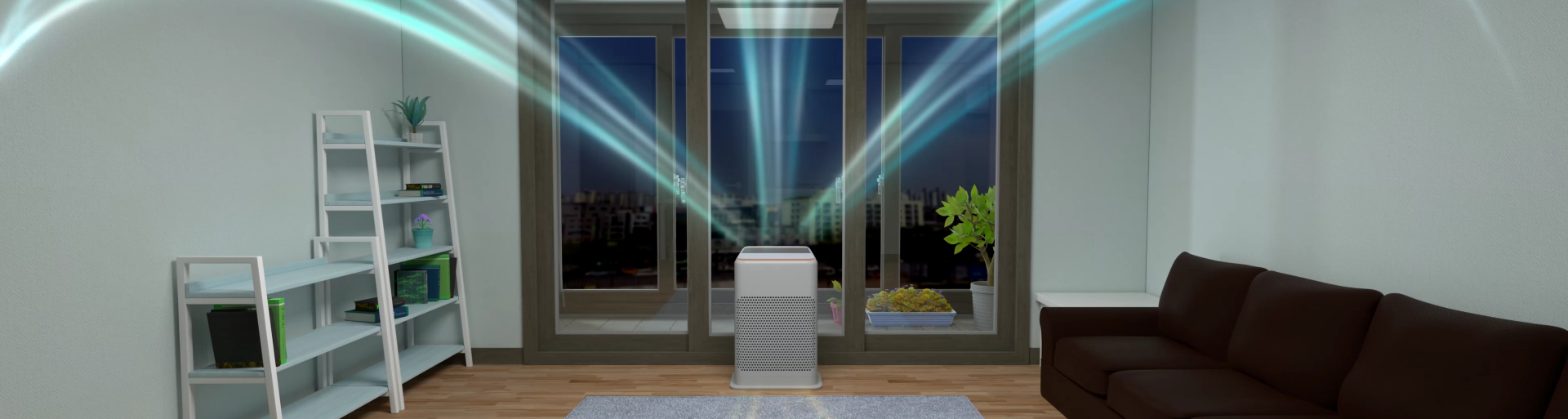
- Air Purifiers: Deploy air purifiers with HEPA filters to capture smoke particles suspended in the air.
Deep Cleaning
Eliminating smoke odor often requires a thorough cleaning of the home:
- Soft Furnishings: Wash or professionally clean curtains, upholstery, and carpets.
- Walls and Ceilings: Clean surfaces with a mixture of water and vinegar or a specialized smoke-removal cleaner.
- Hard Surfaces: Wipe down all hard surfaces, including cabinets, countertops, and floors, to remove any residue.
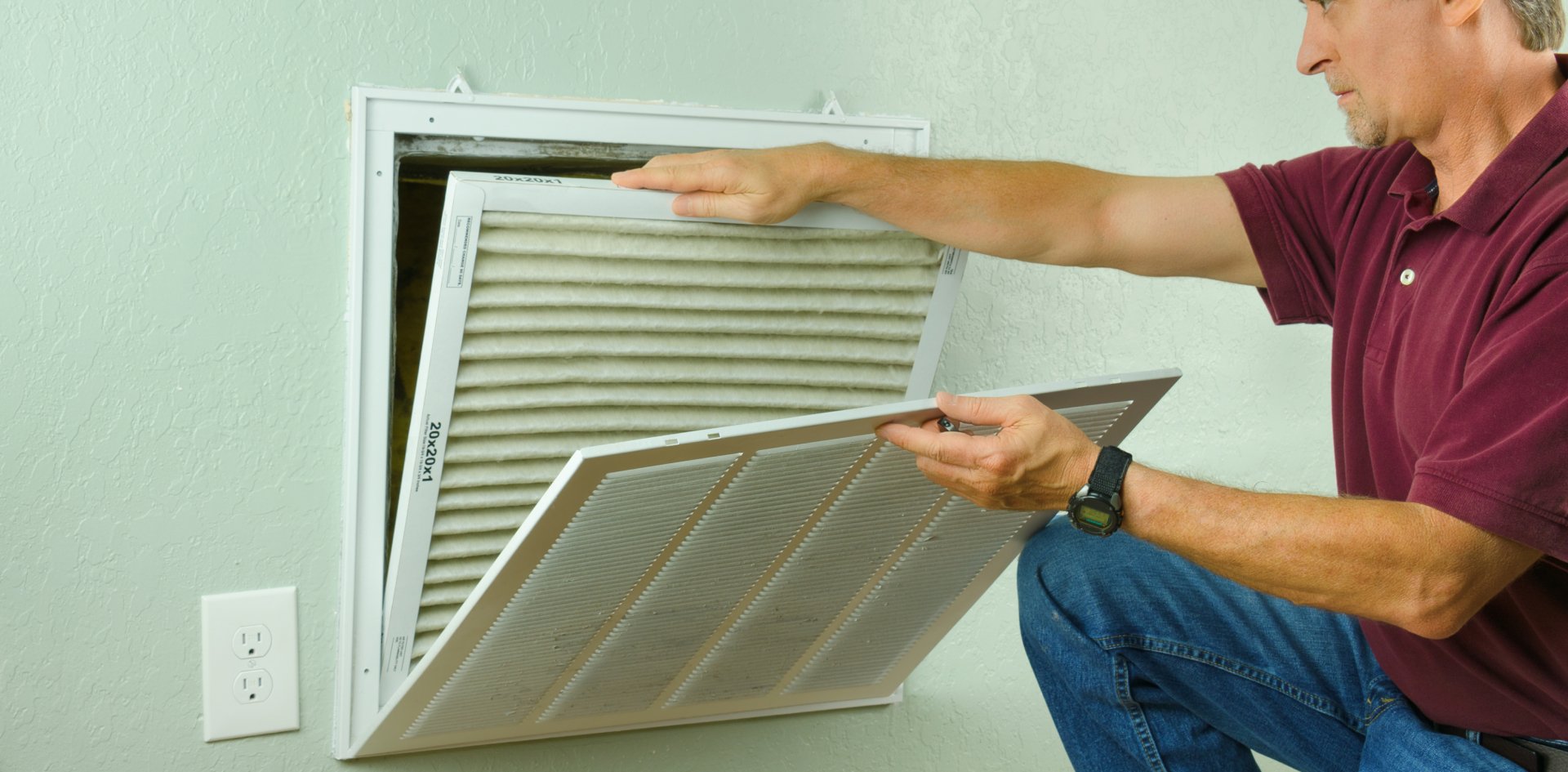
- Air Ducts: Have the HVAC system and air ducts cleaned to prevent the circulation of smoke particles.
Long-Term Construction Solutions
Incorporating materials and designs that resist smoke penetration can be a preventive measure in new builds or renovations:
- Non-Porous Materials: Use non-porous materials for countertops and sealed flooring to reduce the absorption of odors.
- Paints and Sealants: Apply paints or sealants designed to block odors on walls and ceilings.
- Upgraded Filtration Systems: Install advanced HVAC systems with carbon filters that can neutralize smoke particles.
Addressing Hidden Culprits
Smoke can seep into less obvious places that require attention:
- Insulation: Smoke-saturated insulation may need replacement.
- Behind Fixtures: Check behind light fixtures and electrical outlets where smoke residue can hide.
- Crawl Spaces: Inspect and clean crawl spaces and attics, as smoke can accumulate in these areas.
Technological Innovations
Explore the latest in smoke removal technology:
- Ozone Generators: While controversial and requiring professional handling, ozone generators can neutralize odors by breaking down smoke molecules.
- VOC Absorbents: Materials that absorb volatile organic compounds can help capture the odorous chemicals in smoke.
Preventive Measures
Advising homeowners on preventive strategies is crucial:
- Smoking Policies: Recommend that homeowners designate smoking areas away from the house.
- Regular Maintenance: Encourage regular cleaning of filters and surfaces to prevent odor buildup.
- Fire Safety: Implementing proper fire safety measures can prevent the occurrence of smoke from accidental fires.
The Science of Smell Removal
Understanding the chemistry behind odor removal can lead to more effective treatments. Certain substances, like baking soda or activated charcoal, are known for their ability to absorb smells.
Health Implications
Smoke residue can be a health hazard, particularly for individuals with respiratory issues. Ensuring a smoke-free environment is essential for the well-being of occupants.
The Role of Professional Services
In cases of severe smoke contamination, professional cleaning services that specialize in smoke and odor removal can be invaluable. They have the expertise and equipment necessary to perform deep cleanings and restorations.
Legal and Safety Considerations
Being aware of regulations regarding indoor air quality and the use of certain chemicals is important for compliance and safety during smoke removal processes.
Addressing the Issue at the Source
When smoke odor is a recurring problem, identifying and addressing the source — be it habitual smoking inside the home or a defective fireplace — is key to long-term odor management.
The Value of Fresh Air
Never underestimate the power of fresh air and good ventilation in maintaining a smoke-free environment. Construction designs that allow for adequate airflow can significantly reduce the accumulation of odors.
Educating Homeowners
Part of a construction company’s service can be educating homeowners on the importance of smoke odor removal and how to maintain a fresh-smelling home post-construction.
The challenge of removing smoke odor from homes is multifaceted, involving immediate remedies, thorough cleanings, and thoughtful construction practices. By combining these strategies with a deep understanding of the science behind smoke absorption and the health risks it poses, construction professionals can effectively tackle this issue, providing homeowners with a fresh, clean, and healthy living space. This not only enhances the quality of life but also protects the long-term integrity and value of the property.