
 509 210 8722
 Unseen but Deadly: Understanding the Causes of Carbon Monoxide in Homes
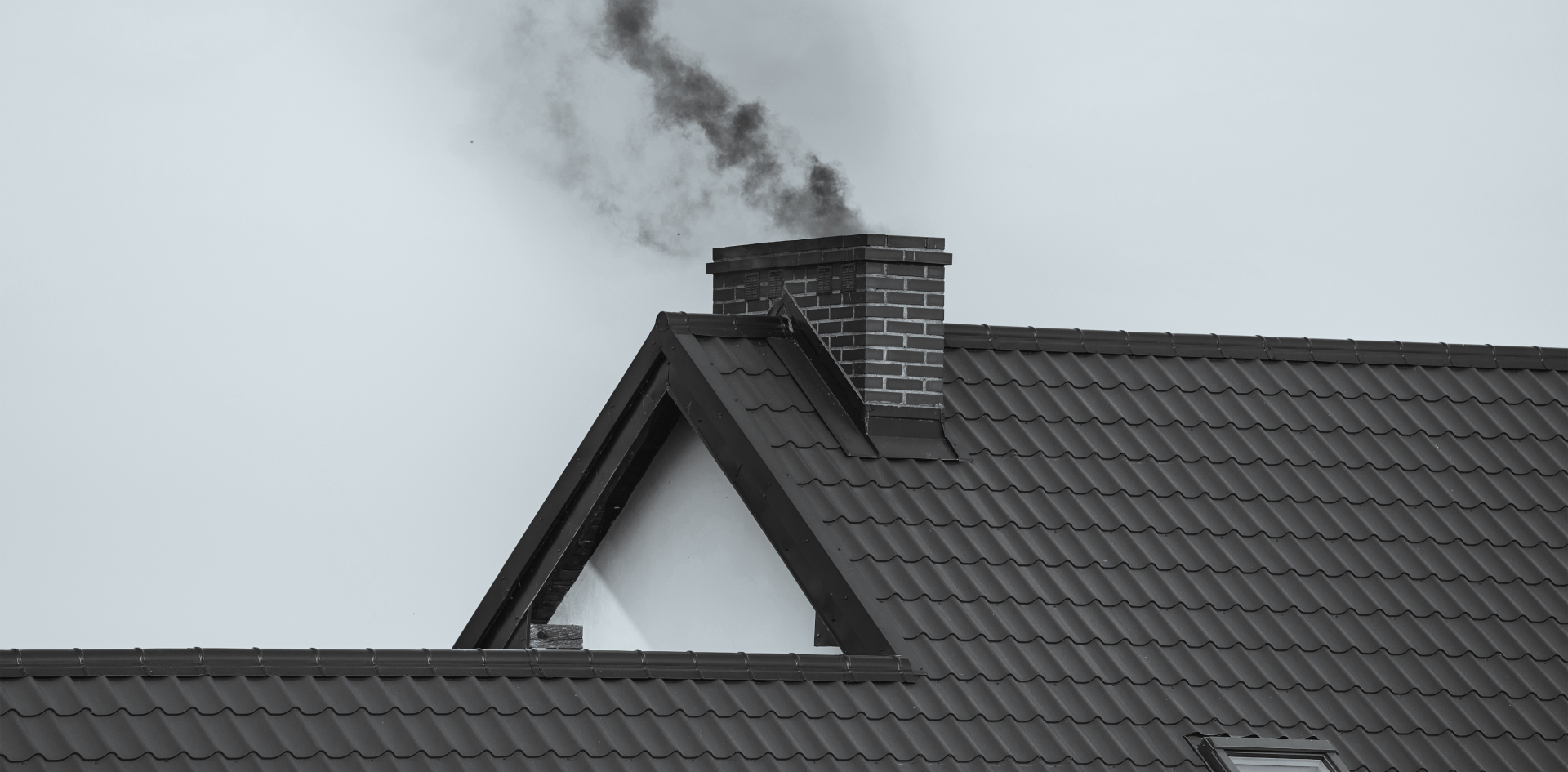
Carbon monoxide (CO) is a stealthy hazard, invisible to the senses but potentially lethal. This article seeks to demystify the origins of CO within the domestic environment, outlining preventive strategies, particularly from a construction standpoint, to safeguard against this silent threat. The Basics of Carbon Monoxide Carbon monoxide is a colorless, odorless gas produced by […]
Carbon monoxide (CO) is a stealthy hazard, invisible to the senses but potentially lethal. This article seeks to demystify the origins of CO within the domestic environment, outlining preventive strategies, particularly from a construction standpoint, to safeguard against this silent threat.
The Basics of Carbon Monoxide
Carbon monoxide is a colorless, odorless gas produced by the incomplete combustion of carbon-containing materials. It’s especially dangerous because it’s indiscernible without specialized detectors, and prolonged exposure can be fatal.

Common Sources in the Home
CO can emanate from a variety of household sources, many of which are commonplace:
- Furnaces/Boilers: Inadequate combustion or poor ventilation can lead to CO buildup.
- Gas Stoves: Malfunctioning or improperly used stoves are potential culprits.
- Water Heaters: Poorly maintained or incorrectly vented water heaters can produce CO.
- Fireplaces and Wood Stoves: Obstructed chimneys or inefficient burning can release CO.
- Motor Vehicles: Running a car in an attached garage can quickly fill a home with CO.
- Portable Generators: Using generators in enclosed or semi-enclosed spaces is risky.
The Role of Construction in CO Prevention
Construction professionals have a vital role to play in minimizing CO risks. Adequate planning and adherence to safety standards can significantly mitigate CO hazards:
- Proper Ventilation Systems: Ensuring that homes have well-designed ventilation to disperse CO effectively.
- Installation of CO Detectors: Integrating CO detectors into building designs for early detection.
- Safe Appliance Installation: Following manufacturer guidelines and building codes to ensure that fuel-burning appliances are installed safely.
- Regular Inspection Access: Designing homes so that heating systems and appliances are easily accessible for regular inspections and maintenance.
The Science of CO Buildup
The science of CO production is a matter of chemistry and physics. When fuels burn incompletely due to lack of oxygen, CO forms. Within the confined spaces of a home, it can accumulate to dangerous levels if not properly vented to the outside.
Health Risks and Symptoms of CO Poisoning
CO binds to hemoglobin in the blood more effectively than oxygen, leading to oxygen deprivation in tissues, known as hypoxia. Early symptoms include headaches, dizziness, and nausea, progressing to confusion, unconsciousness, and, if unaddressed, death.
Legal and Safety Regulations
There are stringent regulations regarding CO safety in homes. These include laws about the placement of CO detectors and standards for the installation of fuel-burning appliances. Builders must stay informed about these requirements to ensure compliance and safety.
Technological Advances in CO Detection
Advancements in technology have made CO detectors more accurate and user-friendly. Some now come with digital displays and interconnectivity with home automation systems, offering both warning and convenience.
Maintenance: A Crucial Factor
Maintenance is paramount in preventing CO incidents. Homeowners should have fuel-burning appliances serviced annually by a qualified technician to ensure they are functioning correctly and safely.
Construction Materials and CO
The materials used in construction can also impact CO levels. For instance, certain insulating materials may restrict airflow, reducing the oxygen available for combustion and increasing the risk of CO production.
Educating Homeowners
Part of a construction company’s responsibility is toeducate homeowners on the risks of CO and the importance of maintenance. Providing information on CO safety during the handover of a property can save lives.
The Economic Impact of CO Incidents
Beyond the human cost, CO incidents can have significant economic implications. Insurance claims, healthcare costs, and lost productivity are just some of the financial consequences associated with CO poisoning.
The Global Perspective
CO isn’t just a domestic issue; it’s a global concern. In less developed areas, where open fires indoors are more common, CO poisoning is a major health risk, underscoring the importance of safer construction practices worldwide.
Mitigating CO Risks During Renovations
During renovations, temporary heating solutions or changes to the home’s structure can introduce CO risks. Builders must be vigilant and use CO detectors to ensure the safety of occupants.
The Future of Home Safety
The future may hold further advancements in home safety, including smarter CO detectors and more efficient home designs that naturally reduce CO risks.
Carbon monoxide in the home is a silent danger, but with proper understanding and vigilance, it is preventable. The construction industry plays a pivotal role in this preventative approach, through safe design, proper appliance installation, and homeowner education. Awareness is the first step toward protection, and through the collective effort of builders, technicians, and residents, we can aim for a future where CO-related incidents are a thing of the past.
